
Upcycling project is the perfect solution for a dilemma we all know too well: staring at a favorite T-shirt that’s seen better days or a pile of fabric scraps too small for a full pattern but too pretty to toss. For many fashion students and sewing beginners, the instinct is to head to the fabric store for something “new” to start a project. However, the most rewarding and sustainable way to sharpen your skills is to use the hidden gems already sitting in your donation bin.
Upcycling is the process of giving new life to objects or materials that might otherwise be seen as waste. Rather than breaking materials down as in traditional recycling, upcycling works with what already exists, maintaining, and sometimes even improving, the qualities of the original material. By giving materials new life through creative reuse, we add economic, intellectual, and emotional value to items that others might see as waste.
Whether you are a student looking to build a unique portfolio or a beginner picking up a needle for the first time, upcycling offers a world of opportunity that a blank bolt of fabric simply can’t match.
Design Sustainably. Sew Professionally.
The Environmental Edge: Designing for a Cleaner Future
One of the most compelling reasons to embrace textile upcycling is its immediate positive impact on the planet. The fashion industry is currently the second-largest consumer of water globally. To put that in perspective, it takes approximately 700 gallons of water to produce a single new cotton shirt and a staggering 2,000 gallons for one pair of jeans. By reusing textiles that already exist, you are directly combatting the depletion of these non-renewable resources.
When we reuse upcycling materials like old bedding, curtains, or upcycled shirts, we keep them out of landfills. Once buried, synthetic fibers can take hundreds of years to decompose, releasing harmful greenhouse gases in the process. By choosing an upcycling project over a new purchase, you are directly reducing that burden.
Furthermore, upcycling serves as a massive energy saver. The production of synthetic plastic fibers is a notoriously energy-intensive process that relies on petroleum and releases harmful acids, such as hydrogen chloride, into our atmosphere. Even “natural” fibers like cotton carry a heavy manufacturing toll. Choosing to upcycle dramatically lowers your carbon footprint by bypassing these chemical-heavy dyeing and finishing processes, leading to cleaner ecosystems and healthier communities.
Creativity Within Constraints
For fashion students, the “blank page” syndrome can be paralyzing. Upcycling removes that barrier by providing a foundation that already has history, texture, and character.
Many upcycling designers find that working with existing garments pushes them to think more imaginatively. Instead of following a standard commercial pattern, you are forced to work around seams, pockets, and hardware. These “limitations” often become the source of your most innovative ideas.
When you take on an upcycling project, you aren’t just sewing; you’re problem-solving. You’re looking at a worn-out flannel and seeing a new lining for a tote bag or taking upcycling T shirts and stripping them down into “yarn” for a knit rug. This type of divergent thinking is what sets a great designer apart from a good one.
Accessibility: No Advanced Skills Required
One of the biggest myths in the sewing world is that you need a professional studio to create high-quality upcycling products. In reality, upcycling projects are incredibly accessible.
You don’t need to master complex tailoring to make a difference. Some of the best upcycling projects come from simple modifications:
- Take an oversized button-down and crop the hem, using the excess fabric to create a matching hair scrunchie.
- Use scrap fabric to patch a hole in a pair of jeans or colorful embroidery.
- Turn a graphic tee into a durable tote bag with just a few straight seams.
Because you are working with materials that already exist, the “cost of failure” is zero. If a project doesn’t turn out perfectly, you haven’t wasted expensive silk, you’ve simply gained a learning experience from a scrap piece of cloth.
Read our beginner’s sewing guide and learn the essential “tips” for a successful first upcycling project.
The Affordability Factor
Let’s talk logistics: fabric is expensive. For students on a budget, buying high-quality natural fibers can be a struggle. Upcycling allows you to source premium materials, like silk scarves, wool coats, or linen tablecloths, at thrift store prices.
This combination of originality and value is what makes upcycling examples so popular in modern marketplaces. Consumers are increasingly looking for one-of-a-kind pieces that tell a story, and as a maker, you can provide that authenticity without a massive overhead cost.
How to Start Your First Upcycling Project
If you’re ready to dive in, start small and stay curious. Here are three beginner-friendly upcycling ideas to get your needles moving:
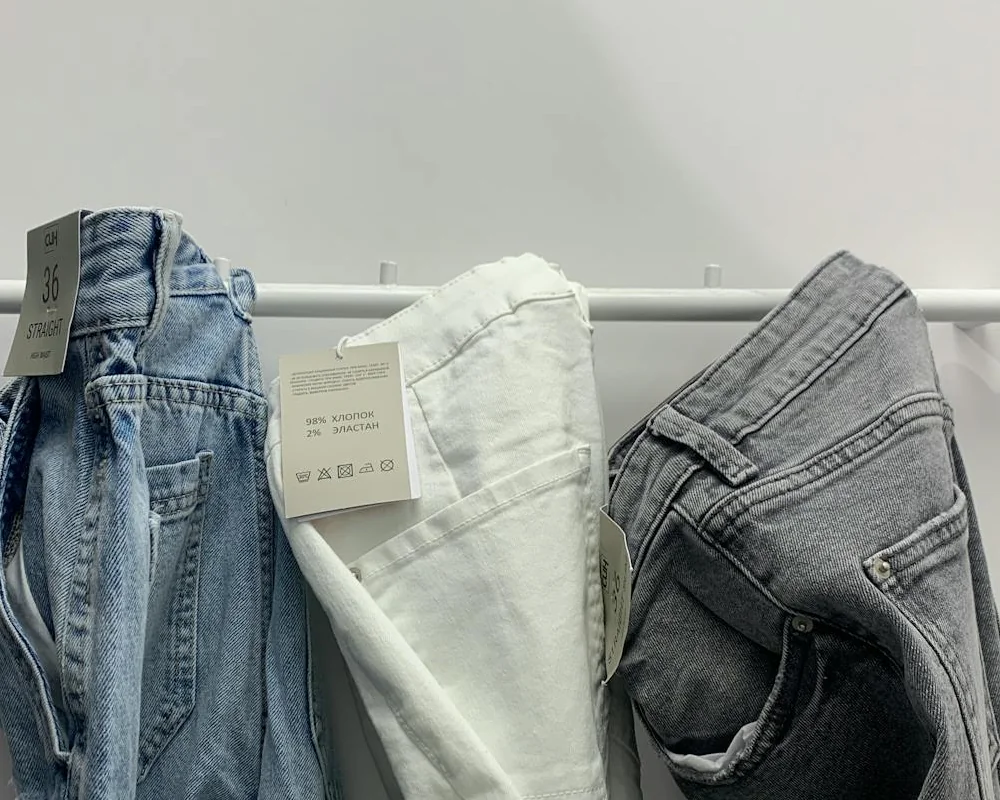
- Denim Scraps: Save the hems and pockets from old jeans to create a textured, patchwork cushion cover or a durable tool roll for your sewing supplies.
- Men’s Shirts: These are a goldmine for high-quality cotton. They can easily be converted into tote bags or aprons.
- Unused Linens: Old duvet covers or tablecloths often have beautiful prints and large surface areas, making them perfect for practicing garment patterns without the price tag of new yardage.
A Smarter Way to Create
Ultimately, upcycling proves that sustainability and style are two sides of the same coin. By seeing potential where others see waste, you unlock a new level of self-expression and innovation. For the fashion student, it’s a way to stand out, and for the beginner, it’s a low-pressure way to learn. And for the planet, it’s a necessary step toward a more responsible future.
Sources:
- Earth.org. (n.d.). Fast fashion’s detrimental effect on the environment. https://earth.org/fast-fashions-detrimental-effect-on-the-environment/
- Manglai. (n.d.). Glossary: Upcycling. https://www.manglai.io/en/glossary/upcycling
Leave a Reply