
Practical sewing guides, upcycling transformations, and the art of sustainable style.
Sustainable sewing projects are the bridge between a cluttered closet and a curated, eco-friendly wardrobe. Whether you’re unboxing your first sewing machine or looking to save a favorite thrifted find from the landfill, you’re in the right place for inspiration. At Rewear Projects, we believe that every discarded garment is a canvas for innovation.
These sustainable sewing projects give you the freedom to create exactly what you want while developing the skills to repair what you already love. By focusing on reclaimed design, we move beyond the limits of standard patterns and learn to work with the unique character of pre-loved textiles. Let’s start stitching and turn “waste” into your next favorite wardrobe staple.
Our detailed approach ensures you master the technical mechanics of your machine while exploring creative reconstruction for your sustainable sewing projects. From precise seam ripping to advanced tailoring, we provide the expert guidance needed to transform “waste” into a high-quality, professional-grade wardrobe staple. By actively reducing textile waste, you are joining a global movement of makers who value customized fashion and intentional craftsmanship over mass-produced, disposable trends. Let’s start stitching and redefine your style.
Inside Our Project-Based Sewing Guides
We believe the best way to master sustainable sewing projects is to build something you’ll actually wear. Our blog isn’t just a list of tips, it’s a library of complete transformations. Each guide is designed to take you from a “before” to a professional-grade “after” with zero guesswork.

The Upcycled Pouch Wallet
Master the art of working with heavy-duty textiles in this comprehensive project guide. We provide a curated supplies list and step-by-step instructions to help you deconstruct old garments and assemble a functional accessory. It is the perfect introduction to reclaimed design and building machine confidence.
The Oversized Shirt Transformation
Learn the art of the “re-fit” by turning boxy, oversized finds into tailored, modern silhouettes. Our detailed sewing guides walk you through the entire process from adjusting seam allowance to professional finishing techniques. It’s the ultimate lesson in seeing the potential in every thrifted piece for your sustainable sewing projects.
-
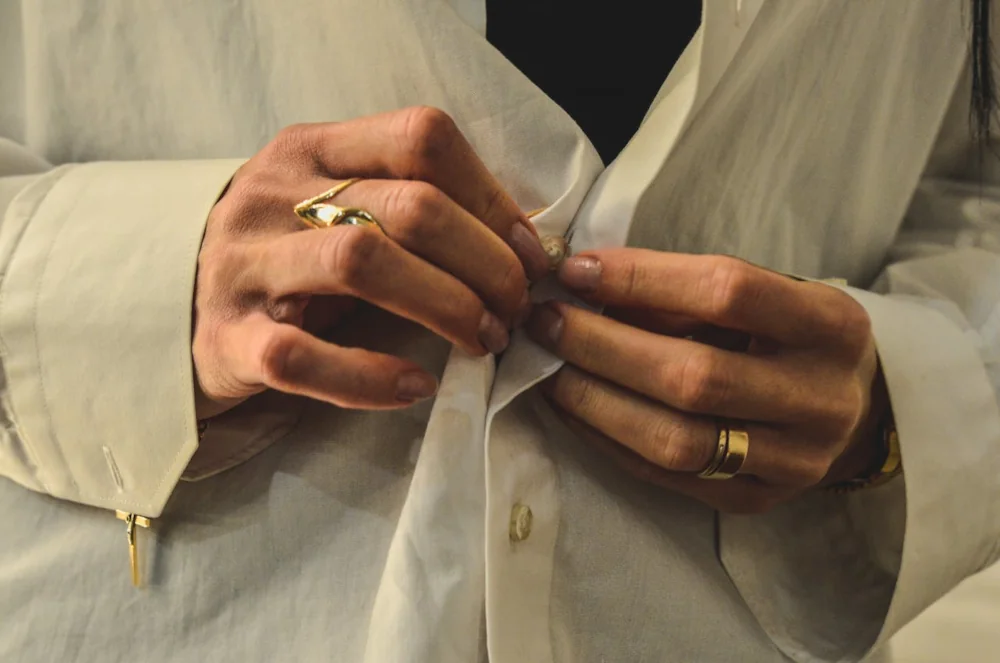
Reimagining the Button-Down: The Ultimate Guide to Upcycled Shirts
Upcycled shirts are the cornerstone of a sustainable, high-style wardrobe, offering a creative solution to the overflow of fast fashion in our thrift stores. Many of these oversized cotton and linen…
-
Reclaiming Denim: Designing an Upcycled Pouch Wallet
In this guide, we explore how an upcycled denim wallet is the perfect project for reclaiming old fabric and reducing waste. We all have that pair of jeans: the ones with…
Frequently Asked Questions:
What is the difference between a sewing project and an upcycling project?
A standard sewing project usually starts with new fabric roll. An upcycling project involves deconstructing existing garments or textiles to create something of higher value.
I have a sewing machine but don’t know where to start. What should I do?
We recommend starting with our ultimate Sewing Fundamentals guide. This is the place to discover the essential tools you will need in the beginning and gather practical sewing tips to avoid common beginner mistakes for sustainable sewing projects.
What if I make a mistake while sewing my project?
Every designer’s best friend is a seam ripper. In upcycling, mistakes are just part of the transformation. If a seam goes wrong, simply unpick it and try again.
What are the best ways to care for my upcycled creations?
To ensure your upcycled pieces last for decades, we recommend washing clothes less frequently, using cold water, and air-drying whenever possible. Since many sustainable fashion projects involve mixing different fabric types, it’s important to understand how each fiber reacts to heat and moisture.
What are the most essential sewing machine settings for working with different upcycled materials?
When working with reclaimed textiles, you often encounter varying fabric thicknesses. For thinner thrifted cottons, a standard stitch length of 2.5mm is ideal. However, for heavier sustainable sewing projects like canvas or multi-layered seams, increasing your stitch length to 3.0mm or 3.5mm prevents the machine from “eating” the fabric.