Welcome to realistic guide for new upcyclers, a space where we look at a pile of old fabric and see a world of potential. If you are here, you likely believe what I believe: that the most sustainable garment is the one already in our closets. As a student navigating the steep learning curve of sewing and textile design, I know that starting out can feel overwhelming.
We often find ourselves staring at a sewing machine like it is a foreign language, wondering if we actually have what it takes to turn a pair of thrifted jeans into something wearable. But that is the beauty of our community. We aren’t just hobbyists; we are part of a movement that values creativity over consumption. This practical guide for new upcyclers is designed to help you bypass the initial frustration and jump straight into creating.
Start your journey
From Research to Reality
My journey into upcycling didn’t start in a professional fashion house. It started in a university dorm and my own small living space. I’ve spent the last year documenting my university projects, focusing specifically on how a beginner can achieve more professional results with a student budget.
I have personally tested dozens of techniques and tools to see which ones actually hold up against heavy fabrics like denim. I’ve also experimented with creative methods for integrating upcycled jewelry into clothing.
Through trial and error, and a few broken needles, I have narrowed down the “noise” of the internet. My goal is to bring you a curated guide for new upcyclers based entirely on real-world testing. This isn’t just theory; these are the practical lessons I’ve learned while balancing my studies and my passion for sustainability and I am ready to share my journey with you in this guide for new upcyclers.
Equipping Our Journey
Because we share a commitment to the planet, we know that buying “cheap” often means buying twice. My research has shown that investing in a few key, high-quality tools actually save us money in the long run. For instance, when I first started, my thread kept snapping and didn’t hold the seams because I didn’t realize they weren’t strong enough for the projects.
Switching to all-purpose polyester thread was a small but necessary change that saved me from a lot of frustration and wasted supplies during my university projects. Similarly, my project testing proved that using a magnetic pin holder prevents the frustration of losing pins in a carpet, a small win that keeps our creative flow going in this guide for new upcyclers.
Tip: click on all-purpose polyester thread or pin holder link to buy the right tools right away from this guide for new upcyclers!
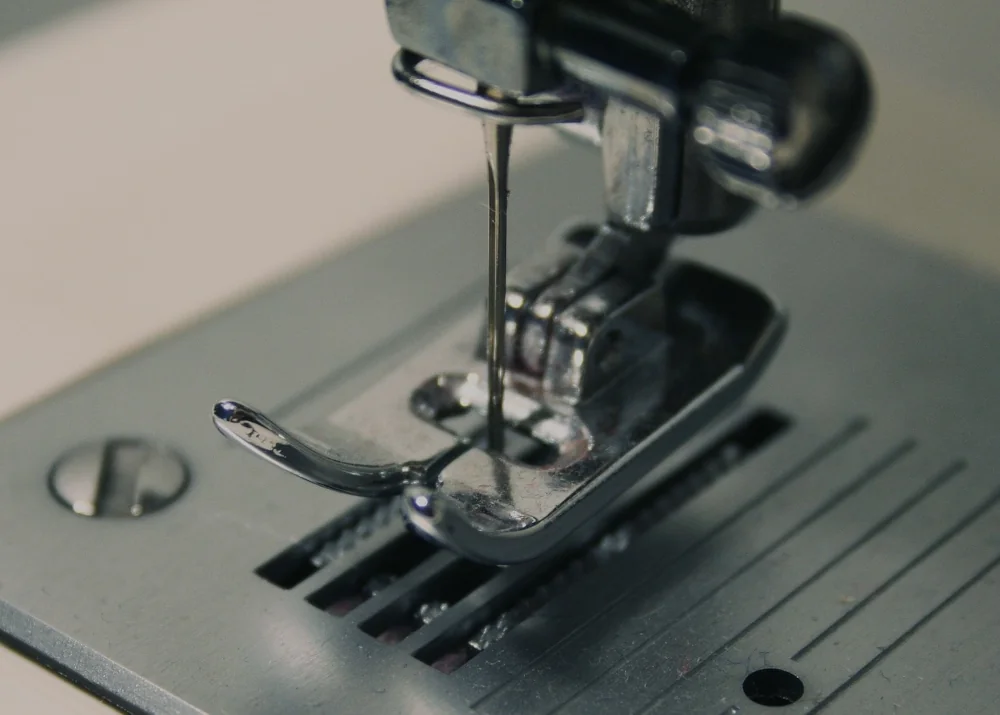
Check out the 5 essential tools every beginner needs to build a functional beginner’s sewing kit.
Taking the First Stitch
If you are ready to move from guide for new upcyclers theory to practice, I invite you to join me in my first simple starter project: Designing an Upcycled Pouch Wallet. This project wasn’t a life-changing “turning point” for me, it was simply where I began. This project gave me my first real insight into how different it feels to work with thick, stubborn fabrics like reclaimed denim compared to the thin cotton scraps we usually practice on in the beginning.
We often feel like upcycling has to be a massive, high-fashion transformation to be “worth it,” but starting with a small pouch is much more logical for a beginner. It was through this simple wallet that I finally figured out how to manage a zipper without it bunching and how to guide multiple layers of denim through a basic machine without snapping a needle. It wasn’t perfect, and yours might not be either, but that is how, in this guide for new upcyclers, we develop the actual mechanics of sewing.
As we build our skills, it’s important to remember that upcycling is a craft that takes time to get right. Whether your first pouch looks professional or shows every mistake you made, it’s a necessary step for us as makers. This project is a straightforward way to test your tools and get used to the materials we will be using for bigger projects down the road.
Leave a Reply